

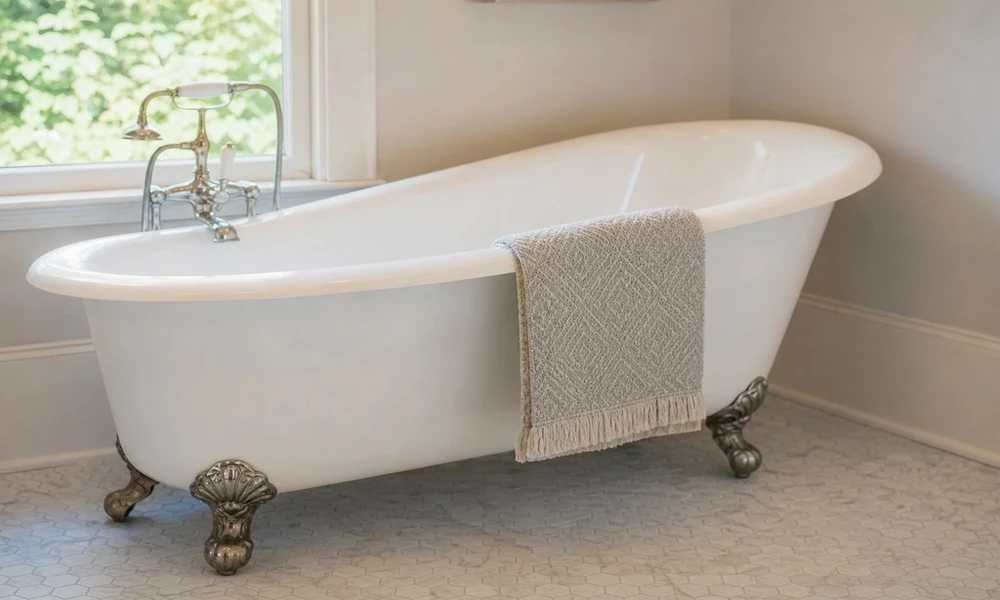
Older bathtubs may contain lead in the porcelain or enamel, in paint, or in another coating from a prior repair or recoating project. However, it’s the condition of the coating that may pose a lead hazard. Older coatings that are breaking down can release lead-containing paint chips, flakes, or dust.
Damaged Coatings Are the Main Lead Concern
Bathtubs themselves are rarely a source of lead in water, so it’s best to think about lead hazards associated with your bathtub in terms of lead-containing dusts or chips – more discussion at britannica.com/science/lead-poisoning, as opposed to water. Older bathtubs may have lead in paint and other coatings, particularly around the drain or on the outside panels. Lead paint dust can also be found in chipped or peeling paint around the rims of bathtubs, on wood-painted surfaces adjacent to the tub, or in chipped caulk that may have paint chips or dust trapped in it.
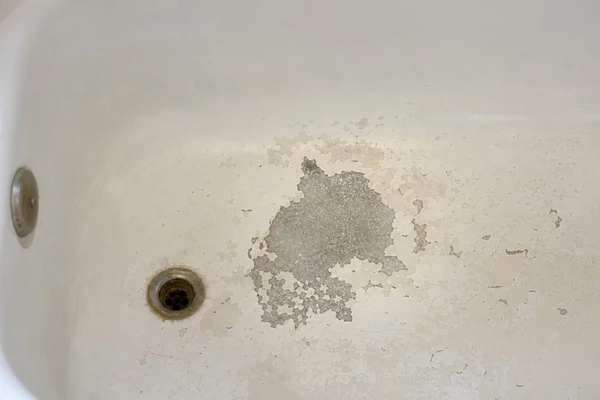
If the finish on your tub has deteriorated and is peeling or chipping, there’s potential for lead-containing dust or paint chips to be released. This is the most likely source of lead from your bathtub. However, just because your bathtub is old does not necessarily mean that it contains lead or that it poses a health concern. A bathtub in good condition is probably not going to pose a threat to your family.
Have the Surface Assessed Before Recoating
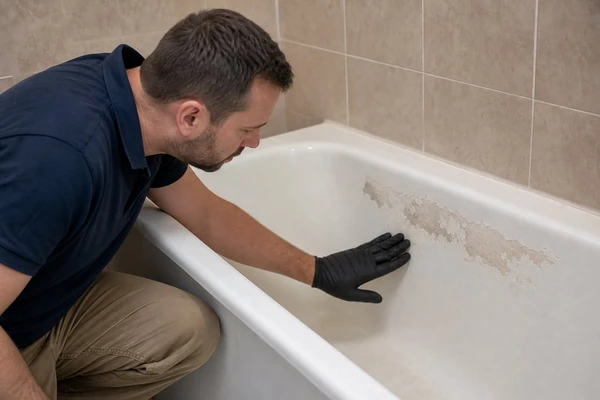
If you’re concerned about a possible lead hazard associated with your bathtub or are planning to recoat your bathtub, a professional can help you to evaluate the surface of your bathtub and advise you as to whether the substrate (original layer of the finish on the bathtub) is in good enough condition to be coated, or whether the existing finish needs to be removed prior to recoating. Renew-It Refinishing can help homeowners explore bathtub refinishing options, while a qualified professional can assess potential lead hazards and recommend appropriate next steps. Some refinishing products must be allowed to cure for up to 24 hours before using the tub; always refer to the manufacturer’s directions.
Leave Paint and Coating Samples to a Professional
It’s best to have the surface of the tub examined and/or sampled by a professional. Scratching or scraping a paint surface can create lead dust.
Reduce Exposure to Lead Paint Hazards
- Avoid contact with areas of peeling paint, and dispose of paint chips right away
- Mop or vacuum floors rather than sweeping, which stirs up dust
- Keep children from playing in areas with deteriorated paint, because small children are especially susceptible to lead poisoning from lead-containing dust (https://www.mayoclinic.org/diseases-conditions/lead-poisoning/symptoms-causes/syc-20354717) or paint chips because they frequently put their fingers or other objects in their mouths.
- Avoid dry sanding or scraping of old paint surfaces, since this can stir up lead paint dust. Leave lead paint abatement work to professionals.
- Avoid using steel wool and abrasive-type pads or brushes on painted surfaces
- If you think your child has been exposed to lead, call your doctor immediately for advice
- Women who are, or may become pregnant should also contact a health professional if exposed to lead.
If you’re worried about lead in your bathwater, a water test can determine if you have exposure due to plumbing rather than a compromised finish. A first-draw sample followed by a flushed sample could pinpoint if lead originates in the fixture or elsewhere in your home.
Control Suspected Lead Paint and Dust
- Protect yourself and your family: If there are signs of a deteriorating paint surface such as peeling or chipped paint, flaking or bubbling paint, a chalky residue, paint chips appearing in the same spots repeatedly, paint that feels rough when you wipe your cloth across the surface or an overlay paint that is peeling to reveal paint layers beneath, call a professional for more information about controlling your family’s potential exposure to lead from deteriorated paint and lead-containing dust in your home.
- Control the problem: Lead paint dust can contaminate many areas in your home, including around your bathtub. If you have a deteriorated paint surface that may be a lead paint hazard, avoid disturbing the surface. Call a professional to help you decide if the surface should be repaired, removed, or controlled in some other way to prevent exposure to lead-containing paint chips and dust.
- Clean up: If paint has chipped or fallen onto bathroom floors and other hard surfaces, carefully pick up any chips or flakes and dispose of them in the garbage. Damp mopping or wet wiping, as opposed to dry sweeping or dusting, reduces lead dust stirred up into the air. Clean regularly to control lead paint dust and debris.
- Protect surfaces from getting contaminated with dust: Remove any bath mats, towels, or other textiles and bath toys from your bathroom. Remove toiletries and clean shelves, vents, and other areas in the bathroom and the immediately surrounding area that could get contaminated with dust or overspray.
If your existing bathtub is in good condition and does not need repair, it’s probably best to leave it alone rather than stir up lead-containing dusts by aggressively scraping or sanding the surface yourself.
