

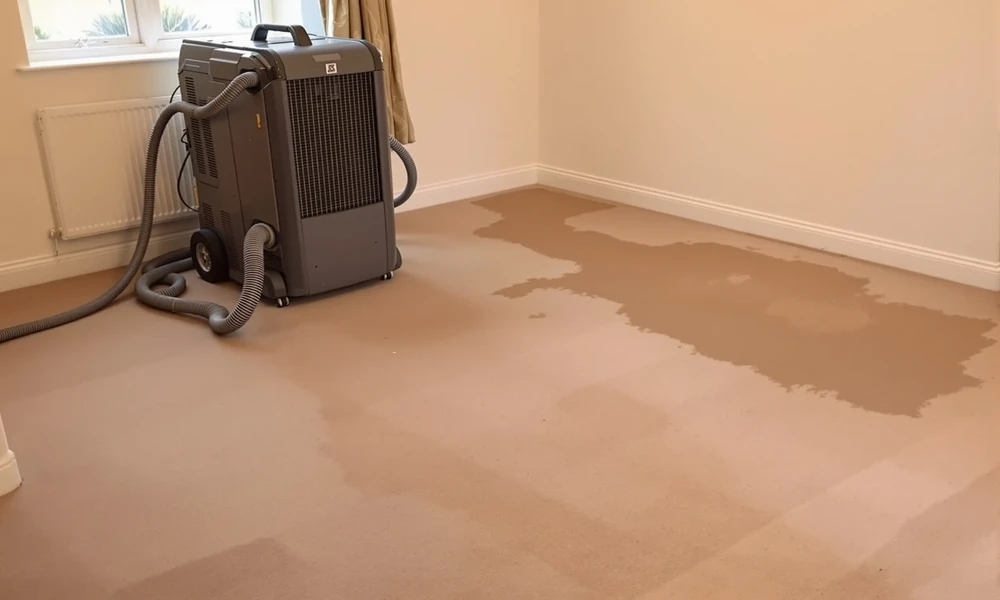
Water damage works on a schedule, and the schedule is not on your side. A burst pipe or a storm leak is the visible problem. The quiet one is what happens inside drywall and under carpet over the next two days. This hour-by-hour guide covers what matters at each stage, and where a team like Bravo Restorations fits when the job moves from cleanup to rebuilding.
Hour Zero to One: Safety Before Everything
Stop the source first. If a supply line has failed, shut off the main water valve. If water is standing near outlets, appliances, or the breaker panel, stay out and call the utility or an electrician before touching anything.
Next, take photos and video of the damage before you move or throw out a single item. Your insurer will want that record.
Then ask one question: where did this water come from? A burst supply line is different from sewage backing up or water carrying chemicals. EPA guidance covers clean water only. If you suspect contamination, it says protective gear and containment are required under OSHA rules, and fans should stay off until the water is confirmed clean. That is the moment to call a professional rather than start cleaning.
Hours One to 24: Remove Water and Move Air
For clean water, speed matters more than anything else. The EPA’s mold remediation guidance states that in most cases mold will not grow if wet or damp items are dried within 24 to 48 hours.
How you dry depends on what got wet:
- Carpet and padding: A wet vacuum alone will not dry carpet. Pull the carpet and pad off the floor, then dry both with fans, and run a dehumidifier in the room.
- Hard flooring: Vacuum or damp wipe, let it dry, and check whether the under-flooring is also wet.
- Concrete and block: Use a water-extraction vacuum, then speed things along with dehumidifiers, fans, and heaters.
- Wood: Remove moisture right away and dry with fans, dehumidifiers, and gentle heat. Be careful applying heat to hardwood floors.
Hours 24 to 48: Check What Is Hiding
A surface that feels dry is not necessarily dry. This is the stage where hidden moisture decides how the rest of the job goes.
Drywall can sometimes be dried in place, but only if there is no obvious swelling and the seams are intact. Otherwise it needs to come out. The wall cavity is the hardest area to dry, and the EPA says it should be ventilated when drywall stays in place.
Some materials are usually not worth saving once soaked, including ceiling tiles, cellulose and fiberglass insulation, drywall, and books and papers. Upholstered furniture is tough to dry completely within 48 hours, so if a piece is valuable, the EPA suggests consulting a restoration professional who specializes in furniture.
Past 48 Hours: A Guideline, Not a Cliff
Mold does not appear on a stopwatch. The 48-hour mark is a guideline, and plenty of damp materials get through it without growth. But once you pass it, the EPA’s own assessment questions get more serious. Have materials been wet more than 48 hours? Are there hidden water sources? Does the building smell musty?
The agency also sorts mold jobs by size: under 10 square feet is small, 10 to 100 is medium, and over 100 is large. Medium and large jobs call for a remediation manager. At any size, avoid touching mold with bare hands, and wear at minimum an N-95 respirator, gloves, and goggles.
One more caution. Use a wet vacuum only while materials are still wet, because on dried mold it may spread spores.
When Cleanup Becomes Rebuilding
Here is the part most water damage guides skip. Drying a house is not the same as repairing it. Once the water is out, you may be looking at missing drywall, flooring, insulation, and trim, plus a paint and finish schedule on top.
The EPA’s remediation plan checklist includes explaining how the water or moisture problem will be fixed so mold does not return. In other words, cleanup and repair are supposed to be planned together. Problems start when the crew that dries the house and the contractor who rebuilds it are two strangers who never talk.
That is one reason a company that handles both sides is worth a call. Bravo’s site describes both renovation and disaster restoration, and says it aims to rebuild quickly and correctly so homeowners can return to a space that feels like home. It also offers a free consultation, which is a low-pressure way to get a damage assessment and a rebuild plan from the same team.
Mistakes That Cost Homeowners the Most
- Throwing out damaged items before documenting them.
- Turning on fans before knowing the water is clean.
- Trusting how a wall feels instead of measuring its moisture.
- Waiting on paperwork to start drying. Ask your insurer what they require, but do not let the claim process stall the drying process.
- Skipping the underlying fix, so the leak returns and the drywall goes soggy again.
A Few Honest Caveats
The EPA guidance referenced here was written for clean water damage and aimed largely at schools and commercial buildings, so a home with unusual construction or hidden plumbing may need different handling. The 24 to 48 hour window is a target, not a guarantee. If water has been sitting for days, if you can smell mold but cannot see it, or if the source is unknown, bring in a professional and ask for moisture readings before anything gets closed up behind new drywall.
