

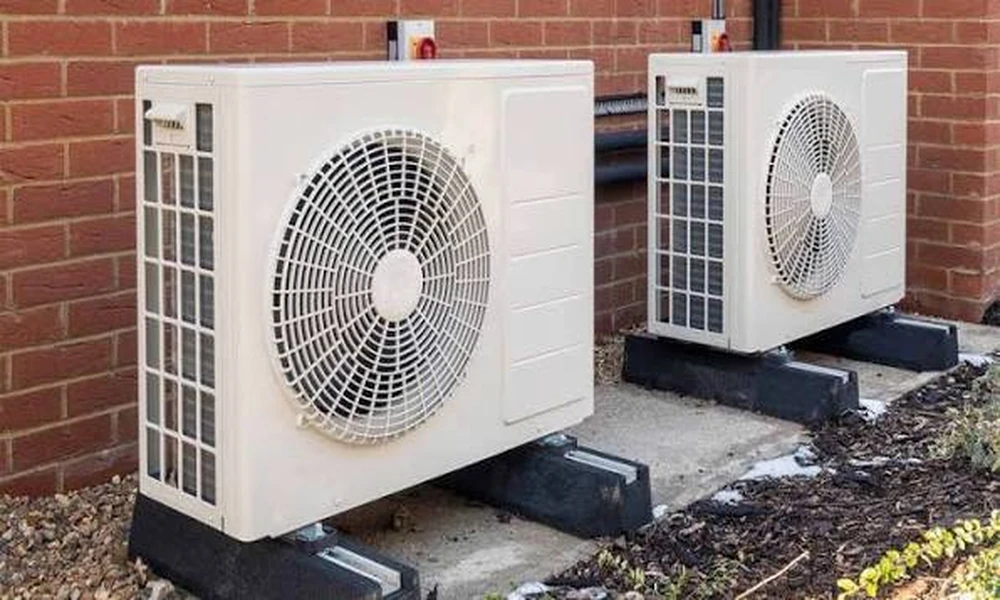
The air conditioner you choose matters, but the way it is sized, positioned, connected, and tested can matter just as much. Smart installation decisions can improve cooling consistency, control energy use, reduce unnecessary strain, and help your new system deliver the comfort you expect throughout hot Texas summers.
Installing a new air conditioner is more than replacing old equipment with a newer model. Every decision made during the process can influence indoor comfort, airflow, humidity control, energy consumption, and long-term performance. System capacity, ductwork condition, efficiency ratings, thermostat setup, and final testing all deserve careful attention. Homeowners considering professional AC installation in Wylie should focus on choosing equipment that matches the specific needs of their property rather than simply selecting the largest or most powerful unit available. A properly planned installation creates a strong foundation for dependable cooling while helping the system operate efficiently during periods of high demand.
Correct AC Sizing Makes a Major Difference
One of the most important installation decisions is choosing the correct system capacity. Bigger is not automatically better. An oversized air conditioner may cool the home quickly but shut off before completing a proper cooling cycle. Frequent cycling can affect humidity control and place unnecessary stress on components.
An undersized system creates a different problem. It may run for long periods while struggling to reach the thermostat setting, particularly during extremely hot weather.
Professional load calculations consider more than the home’s square footage. Insulation, layout, ductwork, and cooling requirements can also influence the appropriate system choice.
Energy Efficiency Starts With Equipment Selection
Efficiency ratings should be considered when comparing new air conditioning systems. Modern equipment with higher SEER2 ratings is designed to provide cooling while using energy more efficiently. However, an efficient unit still needs to be properly matched and installed to deliver its intended performance.
Homeowners should consider:
- The system’s SEER2 efficiency rating
- Appropriate cooling capacity for the property
- Compatibility with existing ductwork
- Long-term operating and maintenance needs
Looking at the entire cooling system rather than one specification helps homeowners make a more balanced decision.
Ductwork Directly Influences Indoor Comfort
Central air conditioning depends on ductwork to distribute cooled air throughout the house. If ducts are poorly configured or airflow is restricted, even quality equipment may struggle to maintain consistent temperatures.
Before installing new equipment, the existing duct system should be evaluated as part of the overall setup. Proper airflow helps conditioned air reach different areas of the home effectively. Central AC systems are specifically designed to provide whole-home cooling through a duct network, making airflow an important part of overall performance.
Installation Quality Supports Better Performance
Equipment selection is only part of the process. Connections, refrigerant components, electrical work, duct connections, thermostat calibration, and final system testing all require careful attention.
This is one reason professional AC installation in Wylie can be important when replacing an aging system or installing air conditioning in a new home. A professional installation process can include assessing the existing setup, preparing the installation area, making necessary connections, testing system operation, calibrating the thermostat, and verifying airflow before the job is completed.
Small installation errors can affect how effectively the system operates, so precision during setup should never be treated as an afterthought.
Thermostat Setup Can Affect Energy Use
The thermostat acts as the control center for the cooling system. Correct setup allows the AC to respond properly to household temperature requirements without unnecessary operation.
Homeowners should learn how to use their thermostat effectively after installation. Consistent settings can help prevent excessive temperature adjustments, while compatible smart thermostats may provide additional control over cooling schedules and household energy use.
The installer should also verify thermostat calibration during final system testing.
Final Testing Should Never Be Skipped
A new AC system should be thoroughly tested before installation is considered complete. Testing confirms that the equipment is operating correctly and that cooled air is moving effectively through the home.
Important checks can include airflow, thermostat response, electrical operation, refrigerant connections, and overall system performance. This final stage gives technicians an opportunity to identify installation-related concerns before they become ongoing comfort problems.
FAQs
Q. 1 Can an oversized AC system increase energy use?
It can operate inefficiently because frequent starts and stops may prevent normal cooling cycles. Proper sizing helps the system run more consistently and manage indoor comfort effectively.
Q. 2 Does new AC equipment automatically lower energy bills?
Not necessarily. Efficiency depends on factors such as equipment rating, correct sizing, installation quality, thermostat use, ductwork, maintenance, and household cooling habits.
Q. 3 Should ductwork be checked when replacing an AC?
Yes. Existing ductwork can influence airflow and temperature consistency, so its condition should be considered when planning a central AC installation.
Q. 4 What efficiency rating should homeowners consider?
SEER2 is an important cooling-efficiency measurement. The right choice should also account for system capacity, home characteristics, budget, and expected long-term performance.
Q. 5 Why is post-installation testing important?
Testing helps confirm that the thermostat, airflow, electrical connections, refrigerant system, and equipment are operating as intended before the installation is finished.
Conclusion
AC installation decisions can affect far more than how quickly a home becomes cool. Correct system sizing, appropriate efficiency ratings, healthy ductwork, accurate thermostat setup, careful connections, and thorough final testing all contribute to dependable performance. Paying attention to these factors can help create more consistent temperatures while reducing unnecessary strain on the equipment.
Homeowners should also remember that long-term efficiency depends on what happens after installation. Regular filter changes, keeping the outdoor unit clear of debris, sensible thermostat settings, and seasonal maintenance can help preserve performance over time.
When considering professional AC installation in Wylie, focus on the complete cooling system rather than the equipment alone. A carefully selected and properly installed air conditioner is better positioned to provide efficient operation, balanced airflow, reliable cooling, and lasting indoor comfort during demanding Texas weather.
