

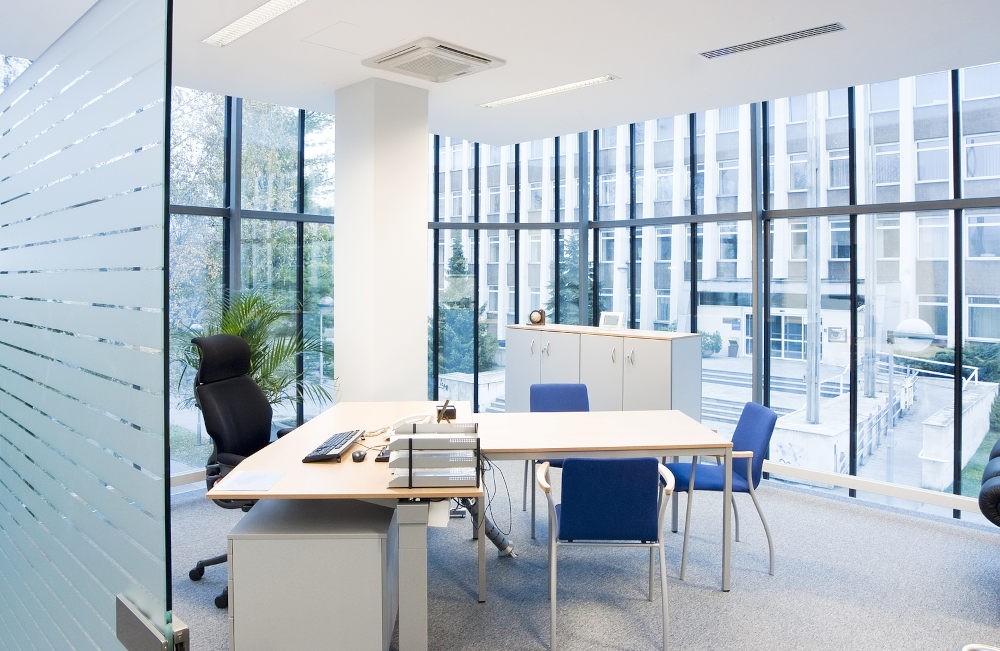
The beige cubicle labyrinth is crumbling. Corporate interiors are adopting a new architectural language based on light, lines, and brightness. This is about glass office dividers. These slim movable glass office panels are more than a minimalist design trend—they change how we see and interact with our work spaces. They are at the interesting crossroads of two apparently incompatible human needs: privacy and open connection. This design is an intentional psychological technique. It shapes a transparent workplace by affecting employee morale and collaboration. The psychology underlying this evident change shows a deep awareness of how our surroundings affect our work.
Filling the Floor with Joy
Glass office systems’ light connection may be its most obvious asset. Humans are phototropic, meaning they like sunlight. Traditional drywall construction creates deep shadows and limits sunlight to peripheral offices. Glass walls are conduits. They break these barriers and let daylight flood the building’s core and floor layout. The impact is huge. This lighting boosts mood and combats sleepiness in poorly lit spaces. Natural light during work decreases eye strain, headaches, and tiredness and improves mood, attention, and sleep quality, according to several studies. A simple equation has strong consequences. Light makes workers happier, healthier, and more aware.
Setting Limits Without Walls
How a translucent glass divider can give privacy is its main conundrum. Understanding that privacy goes beyond outward hiding is the solution. Acoustic separation and territorial delineation are involved. A robust glass wall makes private talks possible and protects people from the noise of an open-plan workplace. Deep, concentrated labor requires this sonic barrier. A distinct, acknowledged border is also established by the glass. It distinguishes “my space” from “your space,” which deters casual, productivity-killing disruptions better than a floor line. This generates “selective openness,” where workers feel connected to the workplace ecology but have their own retreat.
Promoting Visibility and Trust
Glass barriers influence workplace culture and behavior beyond individual advantages. Simply put, exposure promotes responsibility. Observing daily tasks passively encourages focus and productivity. This is about common purpose, not monitoring. Glass partitions eliminate opaque boundaries, making responsibility and cooperation more natural. Moreover, transparency might flatten perceived hierarchies. In glass-fronted offices, managers and team leaders look more approachable and integrated with their staff, breaking down the “us versus them” mindset and fostering trust and open communication. Seeing a colleague working on a project might motivate others, and seeing someone struggle may spark a spontaneous offer of aid that would never happen in a compartmentalized setting.
The Future is Clear: Design Synthesis
The emergence of glass office partitions shows a more sophisticated and people-centric approach to workplace design. These systems may be customized with frosted, fluted, or switchable smart glass to adjust privacy levels. They perfectly combine the concentration and acoustics of a private office with the communal atmosphere and shared light of an open plan. Glass walls are creating future workplaces by blending psychological requirements for separate space with organizational advantages of transparency and connectivity. They demonstrate that properly building a setting where privacy and openness may flourish creates the most productive surroundings.
