

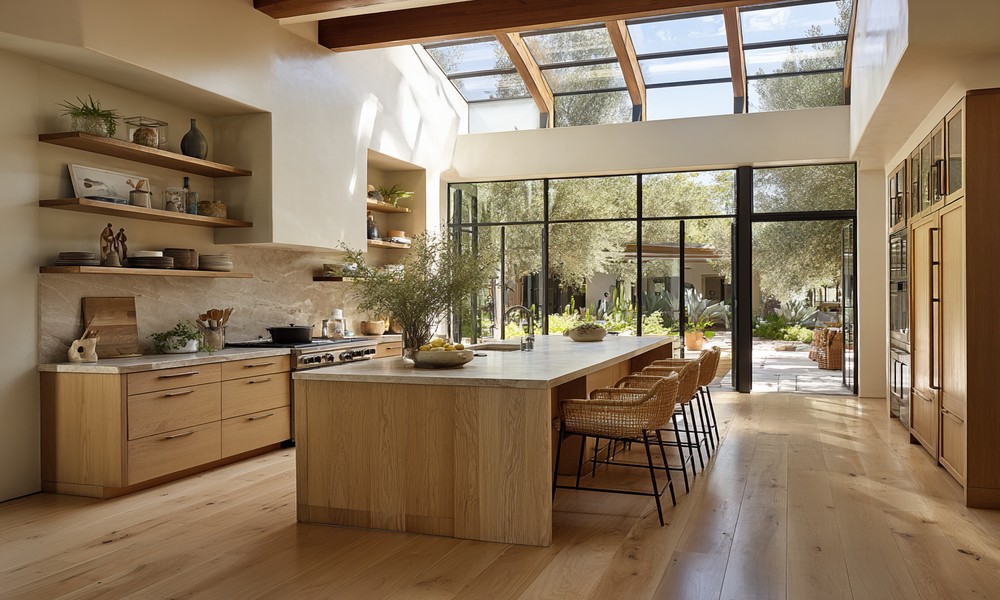
Oak kitchen cabinets are a classic for a reason. The grain is bold, the wood is strong, and the look can fit farmhouse, modern, or anything in between. But without the right care, oak can drift from “warm and rich” to “orangey and dated.”
The good news: you don’t need a full remodel to keep oak looking its best. With smart cleaning, the right lighting, and a few simple finish and color tricks, you can protect your cabinets and make the grain shine-without the orange cast.
Below is a simple, practical guide (no fancy tools needed) to keep your oak kitchen cabinets rich, calm, and timeless.
Why Oak Turns Orange (And How to Stop It)
Understanding the “why” helps you fix the “what.”
- Aging finishes: Oil-based polyurethanes and ambering varnishes deepen in color over time. On oak, that reads as orange.
- Warm lighting: Bulbs that are too warm (very yellow) push the wood toward orange.
- Sunlight/UV: Direct sun darkens finishes and warms the tone.
- Grease + dirt: Residue can form a dull, warm film that tints the wood.
The plan: switch to non-yellowing finishes where possible, choose neutral lighting, block harsh sun, and keep surfaces clean without waxy buildup.
Cleaning That Protects Color (Weekly, Monthly, Seasonal)
Weekly: Fast Reset (5-10 minutes)
- Dust first with a dry microfiber cloth (grit can scratch).
- Wash gently with warm water and a drop of mild dish soap. Wring your cloth well; you want it damp, not wet.
- Rinse + dry: Wipe once with a clean damp cloth, then dry right away with a towel to avoid water marks.
- Hardware wipe: Handles and pulls collect oils that can stain wood around them-give them a quick pass.
Skip: strong vinegar, bleach, ammonia, “miracle” degreasers, and abrasive pads. They can dull or haze the finish and make the wood look dingy (which reads warmer). Also skip wax polishes; they build an orange film over time.
Monthly: Degrease Lightly
- Mix a small bowl of warm water with a few drops of dish soap.
- Focus on high-splash zones (around the stove and handles).
- Dry completely. If residue remains, repeat rather than scrubbing harder.
Seasonal: Deep Refresh
- Take doors off one section at a time if needed.
- Clean the door edges, hinges, and rail grooves where grime hides.
- Replace worn bumpers to prevent door slam marks.
- Check for finish wear near the sink and dishwasher; spot-protect these areas (more on finishes below).
Lighting: The Invisible Color Filter
Lighting can make or break oak.
- Color temperature matters: Use bulbs labeled 3000-3500K (neutral-warm) with a CRI of 90+. This keeps the wood warm but not orange, and shows the true grain.
- Under-cabinet lights: Choose neutral strips to brighten counters without adding yellow.
- Avoid ultra-warm bulbs (below ~2700K) directly over oak fronts-they boost the orange.
- Control sunlight: Add sheer curtains or UV window film on bright windows to reduce yellowing over time.
Finishes That Don’t Amber (And Ones That Do)
If your cabinets are raw or you’re ready to top up a tired finish:
- Best for a no-orange look: Water-based polyurethane labeled “non-yellowing.” Choose satin or matte to modernize the grain and hide small scratches.
- Hardwax oils: Beautiful, easy to spot-repair, but many add a light amber. If you use them, test a hidden area to confirm the color.
- Avoid: classic oil-based polys if you’re fighting orange. They deepen over time.
Pro tip: If the wood already leans orange, ask a paint store to tint a clear water-based topcoat with a tiny amount of blue or green universal tint (a “toner”). Blue counters orange; green counters red. One light, even coat can gently neutralize warmth without hiding grain.
Color Pairings That Calm Orange
Oak doesn’t live alone. Everything around it can either fight or feed the orange.
- Walls: soft white, creamy greige, or pale gray-beige with cool undertones. Avoid strong yellow or peach.
- Countertops: honed black, charcoal, white with gray veining, or light taupe concrete looks.
- Backsplash: white or gray subway, zellige in cool white, or light stone with gray-beige veining.
- Floors: keep them neutral or slightly cool. If your floors are red/orange, add a flat-woven rug in natural tones to reduce the color clash.
- Hardware: matte black, brushed nickel, satin brass (muted, not shiny yellow). These modernize oak fast.
Together, these elements frame your oak kitchen cabinets so the wood reads rich, not orange.
Quick Refresh Without Stripping: Clean-Scuff-Tone
You can improve the tone in a weekend without sanding to bare wood. Work in small sections.
- Deep clean: Remove grease and wax. Let dry fully.
- Scuff sand lightly: Use a fine pad (320 grit) or a synthetic sanding pad to dull the sheen only. Wipe dust with a tack cloth.
- Toner coat (optional but powerful):
- Ask for a quart of water-based polyurethane and a tiny bottle of blue or green universal tint.
- Stir in a few drops of tint at a time until the clear looks barely cool. Test on a hidden spot; dry and check.
- Apply a thin, even coat with a high-quality synthetic brush or foam pad.
- Finish coat: Once the toner is dry, add one more clear, non-tinted coat for durability.
- Cure time: Let doors lie flat and cure fully before rehanging.
This keeps grain visible, reduces orange, and adds protection.
Full Refinish (If You’re Sanding to Bare Oak)
If the old finish is failing or you want a new color:
- Label doors and hardware for easy reassembly.
- Sand in stages: 120 → 150 → 180 (stop at 180 for best stain absorption).
- Optional grain fill (for a sleek look): Oak has open pores. A neutral or gray-tinted grain filler can create a smoother, more modern surface.
- Choose your color strategy:
- Natural + water-based topcoat: shows true oak without added yellow.
- Neutral stains: “driftwood,” “smoked,” or “weathered” tones cool the orange while keeping grain.
- Pickled/limed wash: a thin whitewash softens warmth and highlights grain.
- Reactive-look products: get the “fumed oak” vibe without harsh chemicals.
- Seal with non-yellowing water-based poly in satin or matte. Two to three thin coats are better than one thick one.
- Reassemble carefully: Use new bumpers, adjust hinges for even gaps.
Spot Repairs: Stains, Rings, and Black Marks
- Water rings on the finish: Place a dry cotton cloth over the spot and warm it briefly with a low iron to draw out trapped moisture. Test gently; don’t overheat.
- Black marks in the wood (iron + oak tannins): Use oxalic acid wood bleach following the label exactly. Neutralize, rinse, dry, then touch up the finish.
- Scratches: For shallow scratches, a matching touch-up marker or wax fill stick works. For deeper ones, spot-sand the area and recoat with your clear finish.
Always test fixes inside a door or on the back first.
Humidity, Heat, and Everyday Habits
- Aim for 40-55% humidity year-round. Too dry = cracks; too humid = swelling and sticky doors.
- Use the range hood when cooking to cut grease and moisture.
- Don’t hang wet towels on door pulls. Water can darken oak around hardware.
- Add soft-close hinges if doors slam-slams damage corners and chip finishes over time.
- Use trays beneath coffee makers or kettles to avoid steam damage.
Do & Don’t Checklist (Pin This)
Do
- Dust and wipe weekly with mild soap and a damp (not wet) microfiber cloth.
- Choose 3000-3500K, CRI 90+ bulbs and add under-cabinet lights.
- Block harsh sun with sheers or UV film.
- Protect high-splash areas with a fresh non-yellowing water-based topcoat.
- Pair oak with cool-neutrals in paint, backsplash, and counters.
- Try a toner coat (clear with a hint of blue/green) to dial back orange.
Don’t
- Soak doors with water or use harsh cleaners and abrasive pads.
- Pile on wax polishes-they build an orange film.
- Leave spills, steam, or grease to sit.
- Refinish with heavy amber oil-based polys if you want a modern look.
- Use ultra-warm bulbs that push everything into pumpkin territory.
Fast Shopping List
- Microfiber cloths (a stack).
- Mild dish soap.
- Non-yellowing water-based polyurethane (satin or matte).
- Fine sanding pads (320), tack cloth.
- Under-cabinet LED strips (3000-3500K, CRI 90+).
- UV window film or light sheers (for sunny kitchens).
- Touch-up marker/wax sticks (oak tone).
- Optional: grain filler (neutral/gray), tiny tint (blue/green) for a toner coat, oxalic acid wood bleach for black marks.
10-Minute Maintenance Routine
- Dry dust doors and frames.
- Damp-wipe high-touch spots (handles, lower rails).
- Quick check near sink and stove; wipe splatters now, not later.
- Hand-dry any damp edges.
- Once a month, add a gentle degrease pass.
- Every 6-12 months, add a thin maintenance coat of water-based poly to the sink and stove zones if they look tired (scuff-sand first).
Style Upgrades That Modernize Oak Instantly
- Change hardware: Swap shiny yellow knobs for matte black or brushed nickel bars.
- Add light trim: Under-cabinet light rails hide LEDs and sharpen the look.
- Glass inserts: Replace a few door panels with clear or reeded glass to break up heavy runs of wood.
- Open shelf moment: A single short open shelf in a matching or painted finish adds air without losing storage.
- Rug + runner: A flat, neutral runner cools red/orange floors and draws the eye through the kitchen.
When to Refinish vs. Replace
- Refinish if the boxes are solid, doors are stable, and you mostly dislike the color. Oak is a great candidate for new stain or a clear neutral look.
- Replace only if doors are warped, boxes are damaged, or the layout is changing. Even then, consider refacing: new doors + fresh veneer can modernize without a full gut.
The Bottom Line
Oak is not the problem-orange is. Keep your oak kitchen cabinets looking rich by controlling the finish, light, and surrounding colors. Clean gently and often. Choose non-yellowing water-based topcoats.
Use neutral lighting and block harsh sun. Pair oak with cool-leaning walls, counters, and backsplashes. And if warmth creeps in, a simple toner coat can bring the tone back to balanced, calm, and current.
With these habits, your oak won’t just avoid orange-it’ll look intentional, premium, and timeless every single day.
