
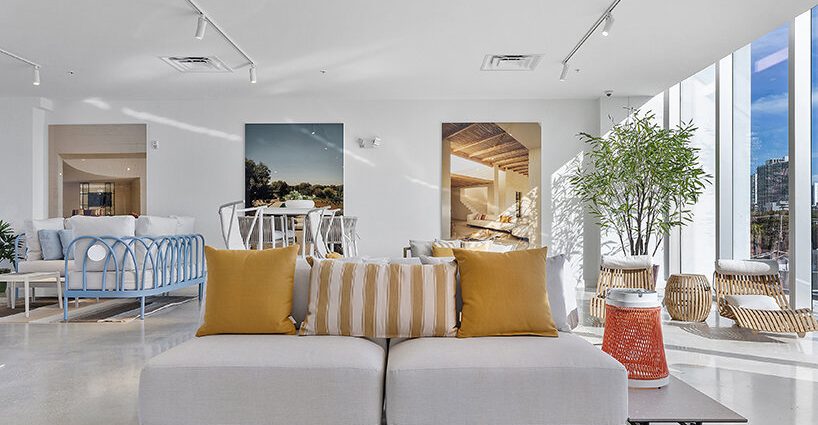
Designing living spaces in warm weather cities requires a different approach than furnishing homes in cooler climates. In places like Miami and other tropical or subtropical regions, climate influences everything from material selection to layout decisions. Heat, humidity, and strong sunlight shape how interiors feel and function throughout the year.
Understanding how to design living spaces that work in warm weather cities helps homeowners create environments that are comfortable, durable, and visually aligned with their surroundings.
Prioritize Airflow and Ventilation
In warm climates, airflow is essential. Even with air conditioning, rooms that allow natural air circulation tend to feel fresher and more comfortable.
When designing living spaces, consider:
- Keeping walkways open
- Avoiding oversized furniture that blocks windows
- Choosing layouts that encourage cross-ventilation
- Using ceiling fans to supplement cooling
Heavy, bulky furniture can restrict airflow and trap heat. Lighter, more streamlined pieces promote circulation and maintain a sense of openness.
Proper ventilation also reduces moisture buildup, which can affect furniture longevity in humid environments.
Choose Breathable Materials
Material selection plays a major role in warm weather comfort. Dense, heavy fabrics may retain heat and feel uncomfortable against the skin. Instead, breathable textiles perform better in tropical conditions.
Common fabric choices in warm cities include:
- Linen blends
- Cotton upholstery
- Performance fabrics designed for moisture resistance
- Lightweight slipcovers
These materials allow airflow and help regulate temperature.
Similarly, natural materials such as light wood, rattan, and woven textures complement warm climates while maintaining durability when properly treated.
When researching climate-conscious furnishing approaches, some residents consult a home furnishing resource in Miami to understand how local interiors are designed to handle humidity and year-round warmth.
Learning from regional examples helps ensure long-term comfort and resilience.
Embrace Light and Reflective Color Palettes
Color influences both mood and temperature perception. In warm weather cities, lighter colors reflect sunlight rather than absorb heat.
Neutral shades such as:
- White
- Soft beige
- Pale gray
- Sand tones
create a cooler, airier feel. These colors also enhance natural light, making rooms appear larger and more open.
While darker accent colors can still be incorporated, they are often used sparingly through decorative elements rather than large upholstered pieces.
A cohesive, light-based palette contributes to visual calm and temperature balance.
Protect Against Sunlight Exposure
Warm weather cities often experience intense sunlight, especially in homes with large windows or sliding glass doors. While natural light is desirable, prolonged UV exposure can fade fabrics and damage finishes.
To manage sunlight effectively:
- Install UV-filtering window treatments
- Use sheer curtains to diffuse direct rays
- Rotate decorative items periodically
- Position furniture slightly away from direct exposure
Selecting fade-resistant fabrics and treated wood finishes can also extend furniture lifespan.
Balancing brightness with protection ensures interiors remain vibrant over time.
Incorporate Indoor-Outdoor Living
One defining feature of warm weather cities is the integration of indoor and outdoor spaces. Patios, balconies, and terraces often function as extensions of the living room.
Design strategies may include:
- Using complementary color schemes indoors and outdoors
- Choosing weather-resistant materials for exterior furniture
- Positioning seating to face outdoor views
- Installing sliding doors that open fully to patios
This seamless transition enhances comfort and takes advantage of favorable weather conditions.
Even small outdoor areas can be thoughtfully designed to expand usable living space.
Focus on Minimalism and Function
Warm weather interiors often benefit from minimalism. Too many layers, heavy textiles, or dense arrangements can create visual and physical heat.
Maintaining simplicity helps preserve openness and airflow.
Key considerations include:
- Limiting decorative clutter
- Choosing multi-functional furniture
- Maintaining clear pathways
- Using open shelving instead of bulky cabinets
Minimalism does not mean eliminating personality. Instead, it involves selecting intentional pieces that contribute to both style and practicality.
Address Humidity with Smart Storage
Humidity is a constant factor in many warm cities. Proper storage solutions protect belongings from moisture-related damage.
To reduce humidity effects:
- Use sealed storage containers
- Avoid overcrowded closets
- Allow space between furniture and walls
- Ensure proper ventilation in enclosed areas
Selecting materials resistant to warping or swelling also helps maintain structural integrity.
Moisture-conscious design decisions prevent long-term complications.
Layer Lighting for Evening Comfort
During the day, natural light dominates. In the evening, layered lighting creates warmth without generating excessive heat.
Consider:
- LED bulbs that emit less heat
- Soft ambient lighting
- Table and floor lamps with breathable shades
Lighting should complement the relaxed tone typical of warm weather interiors.
Harsh overhead fixtures can feel intense after sunset, especially in bright climates.
Design for Year-Round Use
Unlike seasonal climates, warm weather cities often experience consistent temperatures throughout the year. Furniture and layouts should accommodate continuous use rather than seasonal adjustments.
This may include:
- Durable upholstery that withstands regular use
- Easy-to-clean surfaces
- Flexible seating for gatherings
Homes in warm cities often host frequent social events, so durability and comfort remain equally important.
Final Thoughts
Designing living spaces that work in warm weather cities involves understanding how climate affects materials, layout, and daily comfort. By prioritizing airflow, breathable fabrics, light color palettes, and indoor-outdoor integration, homeowners can create spaces that feel cool, functional, and inviting.
In cities like Miami and other tropical environments, thoughtful design transforms heat and humidity from challenges into guiding principles for comfortable living.