
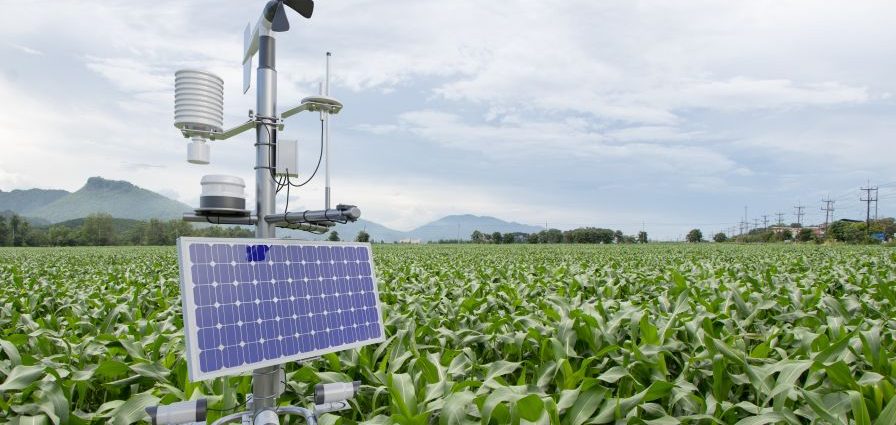
Agriculture has always evolved with technology. From basic tools to advanced machinery, innovation has reduced physical labour and improved productivity. Today, the Internet of Things IoT and machine-to-machine communication are driving a new era called Smart Farming. Connected devices now collect and transmit real-time data, helping farmers manage operations more efficiently.
Traditional farming depends heavily on human observation. Farmers manually inspect soil, crops, livestock, and weather conditions. IoT in farm equipment reduces this burden by using small, affordable sensors placed in fields, greenhouses, and animal shelters. These devices continuously monitor environmental and operational conditions and send the data to cloud-based farm management systems. By analysing both real-time and historical data, farmers can make informed decisions that improve yields and reduce waste.
Smart Crop Management
Global food demand is rising rapidly due to population growth, while climate change and water scarcity create additional pressure on farmers. IoT-based solutions are helping address these challenges through precision farming.
Precision agriculture uses sensors to measure soil moisture, temperature, humidity, rainfall, wind speed, and nutrient levels such as nitrogen and phosphorus. With accurate data, farmers know exactly when to irrigate, fertilise, or harvest. This prevents overwatering, reduces chemical overuse, and improves crop health. Early detection of plant diseases also minimises losses and supports environmentally responsible farming.
Smart greenhouses also rely on IoT technology. Sensors and automated systems regulate temperature, humidity, and lighting conditions. Vents and irrigation systems adjust automatically based on real-time data, creating ideal growing environments. This is especially useful in indoor and vertical farming, where artificial systems control plant growth throughout the year.
Water management is another critical area. A large portion of irrigation water is often wasted due to inefficient practices. IoT-enabled irrigation systems use soil moisture sensors to supply only the necessary amount of water. When connected with weather forecasts, these systems can delay irrigation if rainfall is expected, conserving resources and lowering costs.
IoT also supports agricultural waste management. Sensors monitor waste levels in fields and processing units, allowing better planning and disposal. Smart collection systems notify operators when storage units are full. Organic waste can be converted into biogas using monitored processing systems, reducing environmental impact while generating renewable energy.
Smart Livestock Management
Livestock farming represents a significant share of agricultural value. Feeding and labour costs form a large part of expenses, especially in dairy farming. IoT devices automate feeding schedules and water distribution, reducing manual effort and improving efficiency.
Wearable sensors and GPS trackers monitor animal movement and health in real time. Virtual boundaries help prevent animals from wandering off, while activity tracking can detect early signs of illness. Early intervention improves animal welfare and reduces financial losses.
Mechanization Services
IoT enhances farm machinery through GPS tracking and real-time monitoring of fuel and maintenance needs, reducing theft and downtime.
Connected equipment can optimize fertilizer and pesticide use, while drones assist with crop monitoring and field mapping. In many regions, pay-per-use rental platforms make modern machinery more accessible and cost-effective for farmers.
Comments are closed, but trackbacks and pingbacks are open.