

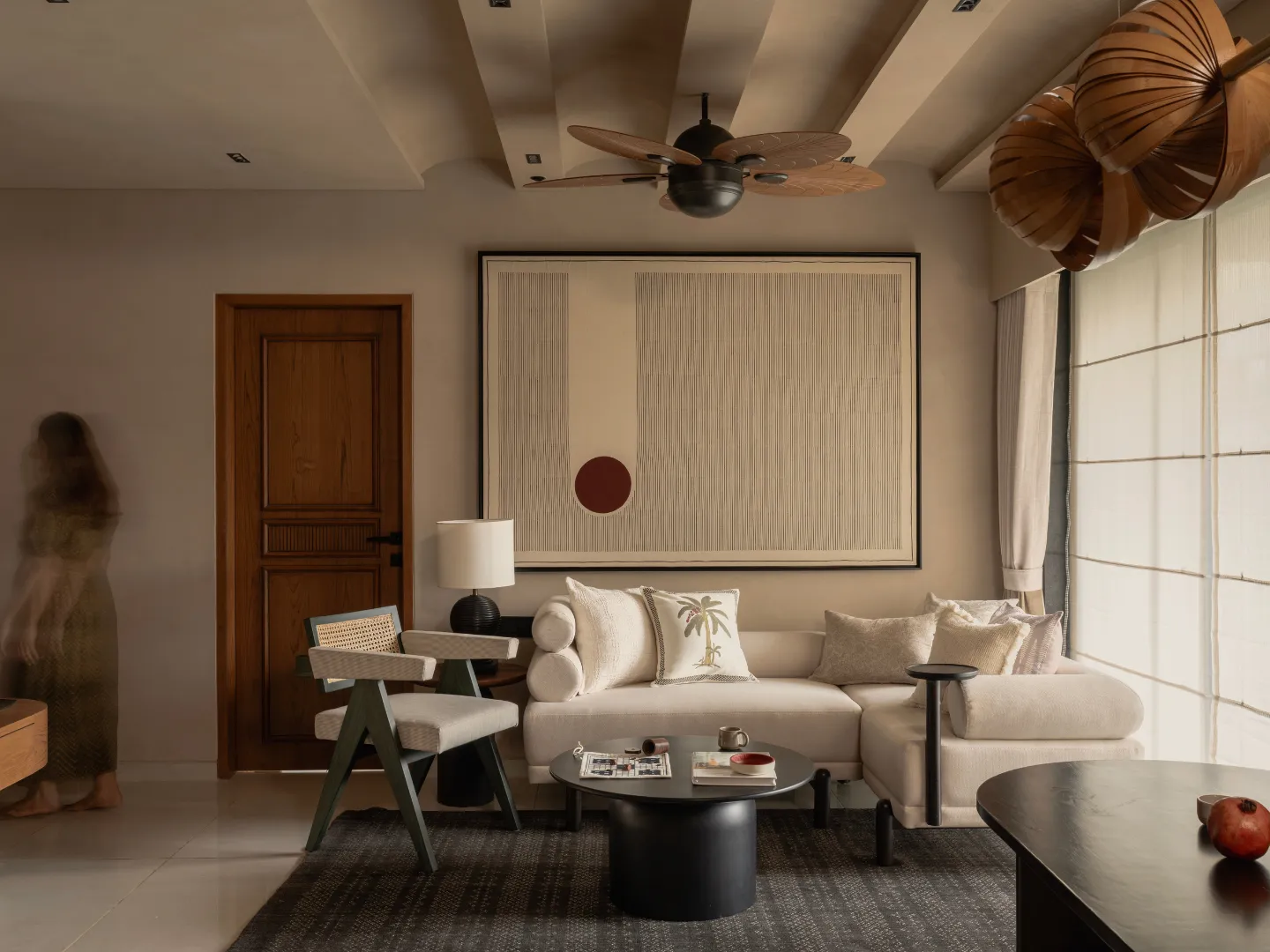
Compact apartments are where good design earns its keep. Every cushion, shelf and lamp has to justify its place. Buyers eyeing One Chuan Grove or similar units often ask how to make smaller rooms feel calm instead of crowded. The answer rarely involves spending more. It involves choosing carefully, leaving breathing room and trusting simplicity over decoration.
Start With a Colour Story
Pick two or three colours and repeat them throughout the home. Soft whites, warm woods and one confident accent can make separate rooms feel connected. Repetition tricks the eye into reading a larger, calmer whole.
Avoid scattering random tones across every wall and sofa. When colours compete, even a generous room starts to feel busy. A restrained palette also makes it easier to shop, since you’ll instantly know what belongs.
Let Light Do the Heavy Lifting
Natural light is the cheapest upgrade a small home can have. Keep curtains sheer, windows clean and tall furniture away from openings. A bright room always feels bigger than a dim one of the same size.
At night, layer lighting instead of relying on one harsh ceiling fixture. Table lamps, wall lights and warm bulbs provide little pockets of calm. Those pools of light make corners feel intentional rather than forgotten.
Choose Furniture That Works Twice
A storage ottoman holds blankets and doubles as a seat. A dining table stretches into a desk. A bed frame with drawers swallows seasonal clothes. Multi-purpose pieces quietly erase the need for extra cabinets.
Look for slim legs and visible floor underneath sofas and chairs. Seeing more floor makes a room feel airier. Heavy, boxy items sitting flat on the ground tend to crowd the space and darken the mood.
Go Vertical With Storage
Walls are underused real estate. Tall shelves, hooks and wall-mounted cabinets lift belongings off the floor and draw the eye upward, which makes ceilings feel higher. Start from the floor and work toward the roof.
Keep the upper shelves for things you rarely use. Keep daily items at hand height. This simple habit stops clutter creeping onto counters and tables, where it spoils the tidy look you’re trying to build.
Use Mirrors With Purpose
A well-placed mirror can bounce light across a room and make walls feel further apart. Hang one opposite a window rather than somewhere random, so it captures daylight and a pleasant view.
Don’t overdo it, though. A wall of mirrors can feel odd and a little clinical. One or two large pieces do far more than a dozen small ones scattered about without a plan.
Edit Your Decorations
Small homes reward editing. Display three objects you adore rather than fifteen you merely tolerate. Rotate seasonal items out of sight to keep surfaces clear. Negative space is not wasted space; it’s a way of letting good things stand out.
If River Opus is where you plan to settle, picture each room as a quiet stage and place only what supports the scene. You’ll enjoy tidying more, and guests will notice the calm straight away.
Bring in Softness and Greenery
Texture warms up a compact home. Linen curtains, a woven rug and a couple of plants make plain walls feel friendly. Choose hardy plants that tolerate indoor light, such as pothos or snake plants, so you aren’t stressed about keeping them alive.
Soft elements also absorb sound, which matters in smaller spaces where echoes bounce quickly. A rug beneath the sofa can calm the whole room, much like a quiet exhale after a long day.
Keep Pathways Open
Leave clear walking routes through every room. Furniture pushed too close together makes even a generous space feel stuffy and difficult to move through. Aim for a path wide enough to carry laundry without turning sideways.
If a piece blocks the natural line from door to window, move it. Small adjustments in placement often improve a room more than buying anything new, and they cost nothing but a little afternoon effort.
Conclusion
A compact home feels spacious when it’s edited with care. A simple colour story, good light, clever storage and a few loved objects will always beat a crowd of decorations.
Start with one room and let the improvements spread. Small, thoughtful changes add up, and before long your space feels calm, generous and unmistakably yours.
