

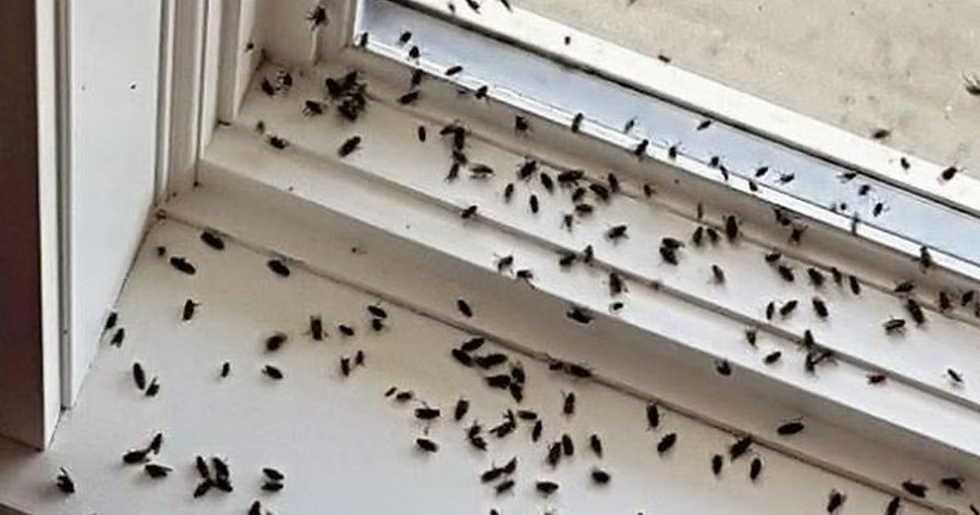
Homeowners in St. Louis often find the buzzing of their attic another seasonal annoyance. However, this low hum is likely to be a much more significant sign overhead, whatever covers the wood. Cluster flies invade attics in the hundreds to thousands, making the area above your home their hibernaculum. These pests do not stop at creating the sounds. They leave stains, odor, and health hazards that most residents will not discover until it is too late. Optimal climatic conditions in the Gateway City, characterized by cold winters and humid summers, attract these flies to residential areas.
Unlike most other fly species, cluster flies return to the exact locations every year, making early intervention by a pest control professional extremely important. If you are experiencing unexplained flying activity in your home, particularly in the attic space, do not hesitate to contact pointepestcontrol.com for reliable solutions.
What Are Cluster Flies and Why Are They in St. Louis?
Cluster flies resemble the common houseflies, but they are slightly larger, darker gray, and have golden hairs on their thorax. They are called cluster flies because at the end of summer, adult flies enter houses in large numbers, being attracted by the warm environment, and are often found in large clusters.
Moreover, the cluster flies situation is worse in Saint Louis, due to:
- Seasonal temperature swings are driving them indoors to survive St. Louis’ cold winters
- Older housing stock refers to the 58% of homes built before 1970, providing plenty of gaps and cracks for flies to crawl inside.
- The neighborhood’s abundant green spaces provide the perfect habitat for earthworms in the areas surrounding Forest Park and the residential areas.
Why Cluster Flies Target Attics?
Attics provide cluster flies with the one thing they need to survive St. Louis winters. Attics offer protection from the harshest weather and stay warm, but not too warm, keeping the flies semi-dormant. They slowly absorb heat from the rooms below, and many of them get direct sunlight on the roof. Cluster flies tend to congregate in darker, undisturbed areas, where they will remain undisturbed for approximately six months. They enter through tiny openings around soffits, the roof edge, and other features of a house, specifically in historic districts.
The Hidden Dangers of a Cluster Fly Infestation
- Property Damage and Staining
Cluster flies cause unique damage with their body casings and feces. On windows, walls, and insulation, many dark-colored stains are tough to remove. Semi-fluid feces or “fly spots” become solid over time. In St. Louis’s moist climate, carpet beetles are common secondary pests of organic matter.
- Health and Allergen Concerns
Dead flies, along with their lost skin, can become airborne allergens that can cause breathing problems, sinusitis, or exacerbate asthma. St. Louis is already one of the top 20 most challenging cities in the United States for allergy sufferers.
- Recurring Infestations
Cluster flies choose to return to the same attic every few years. Once cluster fly problems arise in an attic, the issue will only worsen with each return. More flies will be able to pick up on the pheromone signals left behind.
Professional Treatment Options for Cluster Flies
Dealing with a cluster fly infestation involves more action than simply batting away the stray insect. Effective treatment combines immediate removal with long-term prevention methods, tailored to your home. Professional services commence with an inspection to identify entry points and assess the severity of the issue. The therapy consists of applying suitable products to the areas where police flies gather and removing the dead ones to reduce attractants. In St. Louis, Pointe Pest Control addresses cluster flies with exclusion work. Considering how flies exploit every gap, screen, or weatherproofing issue, Pointe Pest Control treats the exteriors of homes before flies enter in late August or early September.
