

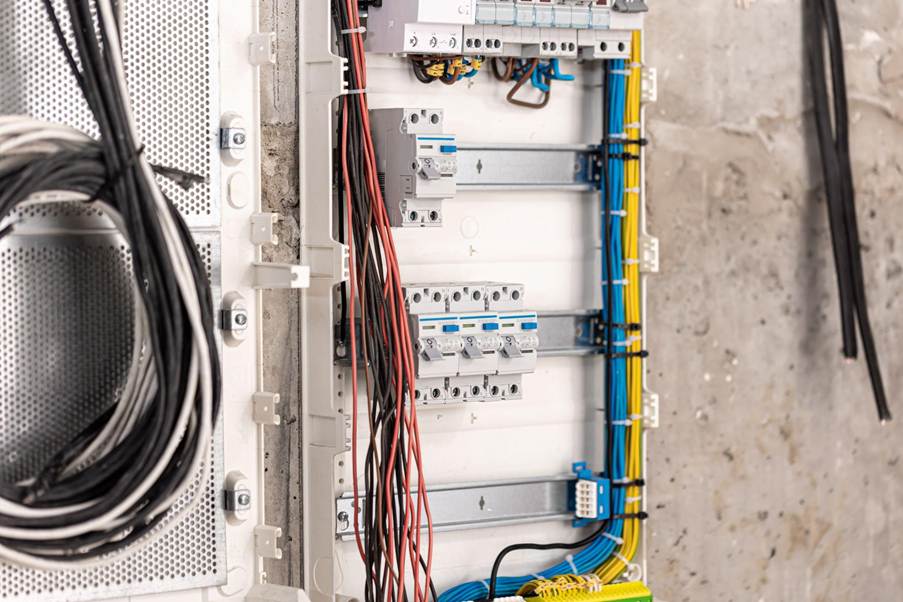
Ageing cables, added appliances, and renovation works make a strong case for a full electrical rewiring. Pair that with a clean, well-designed DB installation and your home gains stability, protection, and room to expand. Use these steps to scope the job, brief a licensed electrician, and accept the handover with confidence.
Map Loads and Decide Circuit Strategy
Start with a room-by-room inventory of fixed loads (water heaters, air-con, oven, hob) and typical portable loads (kitchen counter appliances, desktops, chargers). Note amperage and duty cycle, then group heavy users on dedicated circuits. This map drives cable sizes, breaker ratings, and the layout inside the distribution board. Key circuits should have at least 20% headroom to prevent protection from tripping due to brief bursts and seasonal surges.
Choose Cable Types and Routes That Last
The opportunity to swap out worn-out insulation and disorganised spurs with continuous runs comes with electrical rewiring. Specify copper conductors with insulation suitable for local ambient temperatures and humidity. Use conduit or trunking that protects bends and keeps maintenance access clear. Avoid mixing cable sizes on a single circuit, and set routes that minimise heat build-up near ovens or water heaters. Consistency prevents hot joints and voltage drop.
Design the DB Installation for Serviceability
Treat the board as a control centre, not a box to cram. Separate heavy-draw appliances from general power and lighting, and allow spare ways for future additions. Balance loads across phases where relevant, and position residual current devices so a fault on one branch does not black out the whole home. Require printed labels on every MCB and a laminated circuit schedule behind the door. For years, a clean database installation speeds up testing, updates, and fault-finding.
Specify Protection and Disconnection Times
Protection is more than a breaker list. Match MCB ratings to cable sizes and appliance demand, then add RCD protection for socket circuits, water-heating, and outdoor points. Ask your electrician to confirm expected disconnection times under fault conditions and to record earth fault loop impedance for each circuit. These results show that devices will operate quickly when needed, reducing shock and fire risk.
Plan Earthing, Bonding, and Metalwork Interfaces
Good earthing keeps exposed metal safe. Ensure all metal cases, trunking sections, and bathroom or kitchen interfaces are properly bonded. Replace corroded clamps, use compatible metals, and keep connections accessible. During electrical rewiring, continuity must be tested from the DB to the furthest outlet on each circuit. Record readings and keep them with the handover documents so future work can be checked against a baseline.
Schedule Works to Reduce Downtime and Dust
Rewiring is invasive, yet planning keeps it orderly. Agree on a phased schedule: first fix (routing, boxes, conduit), second fix (termination, DB installation, device fit-off), and testing. Protect furniture, isolate zones, and coordinate with carpentry so sockets sit clear of built-ins. Temporary power for essentials, clear daily clean-ups, and agreed working hours keep disruption manageable.
Test, Document, and Accept Handover Properly
Completion is not the last screw turned. Each circuit should have its insulation resistance, polarity, RCD trip tests, and loop impedance measured and recorded. Demand a final circuit schedule that matches your room plan, plus product datasheets for key protective devices. Test RCD buttons quarterly, listen for unusual buzzing at the board under load, and audit labels after any appliance change. Good records turn small issues into quick fixes.
Conclusion
A successful upgrade blends design, materials, and disciplined commissioning. When electrical rewiring is based on real loads and your DB installation is laid out, labelled, and tested for quick disconnection, everyday reliability improves, and future changes stay simple. Treat documentation and periodic checks as part of the job, and your home’s electronics will serve you well for years.
Contact 81 Electrical to schedule a site survey, receive a room-by-room load plan with a proposed DB layout and spare ways, and book compliant rewiring with full testing, labelling, and a documented handover pack.
