

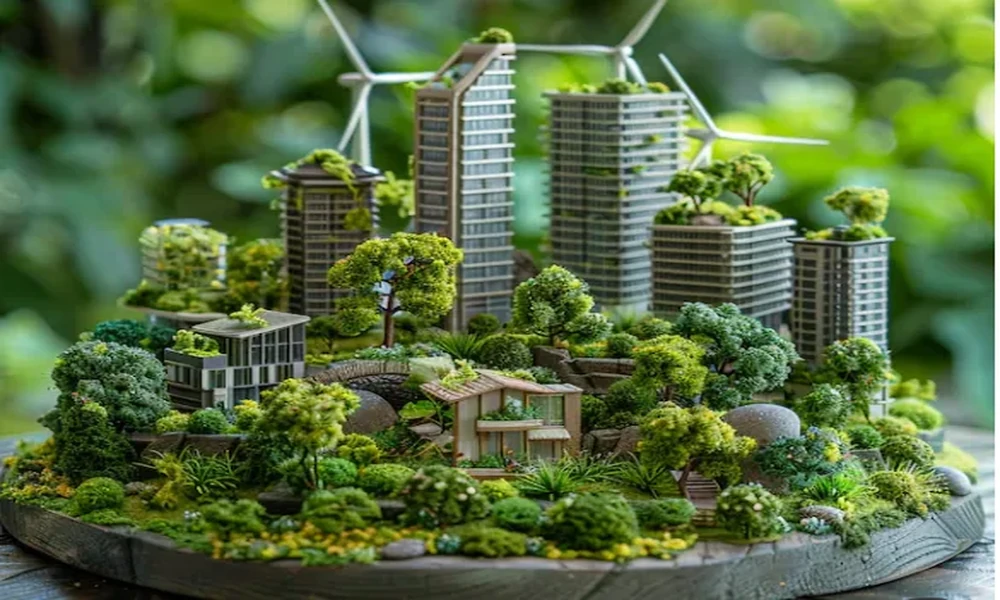
Green living used to sound like a hobby for people with compost bins. Now it shows up in bills, comfort, and resale talk. Buyers looking at Solano Grand often ask a fair question: what makes a home truly eco friendly, and what is just a nice sticker?
This article sorts the real from the shiny. It covers labels, energy, water, waste, and a handful of habits that cost little. No lecture, promise. Think of each section as a checklist to bring to the sales gallery. Ask politely, ask twice, and write the answers down.
Why Green Homes Matter Now
Electricity bills tend to rise over time, and warm weather is not going away. A home that stays cooler by design needs less aircon. That is real money, month after month. Green is not only about the planet. It is also about a calmer budget and a more comfortable living room.
Resale thinking plays a part too. Future buyers may care about running costs more than we do today. When reviewing Wynwood Grand or any new project, treat green features as a long term asset, not a decoration. Fixing things later is harder than good design now.
Green Mark and Labels Explained
Singapore has a building rating scheme called Green Mark, run by the national building authority. Projects can earn levels based on energy use, water, and other points. A higher level suggests better planning. Ask which level a project is aiming for and when it will be confirmed.
Appliance labels matter too. Energy labels with more ticks mean lower power use, and water labels show how thirsty a tap or toilet is. Check what comes with the unit and what you must buy yourself. Brochures love vague words like eco, smart, and green. Ask for the actual rating.
Saving Power Every Single Day
Start with the simple stuff. LED lights in shared areas, motion sensors in stairwells, and efficient lifts all trim the estate bill, which is shared among owners. Those savings can come back to you through lower maintenance charges over the years. Not exciting, but quietly useful.
Inside the unit, look at window shading, ceiling fan points, and how air moves. A cross breeze can cut the need for aircon on mild evenings. Solar panels on common roofs, if any, may power lifts or lights. Ask how much, and who tracks it. Numbers beat slogans.
Water Use and Rainwater Tricks
Water saving starts with taps, showers, and flush systems. Fittings with good ratings can reduce use without making life harder. Dual flush buttons are common now. Low flow does not have to mean weak flow. Test the shower in the showflat, if there is one, and see how it feels.
Outside, smart landscaping makes a difference. Native plants need less watering, and some estates collect rainwater to irrigate gardens. A little rain collected today waters a lot of leaves tomorrow. Simple, old idea. Still works.
Waste, Bikes, and Charging Points
Waste is a daily habit, so design should help. Look for recycling points on every floor or near the lifts, not hidden in a distant corner. When recycling is easy, people do it. When it takes a trek, bags end up in the general bin, and that is just human nature.
Getting around matters as well. Bicycle parking, shower facilities, and electric vehicle charging lots show that a project plans for the future. Ask how many lots are charge ready and how billing works. Even if you do not own an electric car yet, the day may come sooner than you think.
Weighing Green Claims With Care
Not every green claim holds up. Watch for words with no numbers behind them. If a project says it saves energy, ask how much compared with what. A real feature has a rating, a size, or a count. A fuzzy one has only adjectives.
Fill it in as answers come. Gaps tell a story too. A missing answer is not always bad, but it is worth asking about again before you commit.
Conclusion
Eco friendly living is built from many small choices, some made by the developer and some by you. Good design, fair ratings, and efficient fittings give a strong start. Your own habits finish the job. Switch off the fan, fix the dripping tap, sort the bottles. It adds up, quietly.
When comparing homes, ask for facts and keep your tone friendly. Sales teams usually share what they know, and they notice buyers who care. Pick the place that backs its claims with numbers. A home that saves you money and feels good to live in is a green home worth choosing.
