

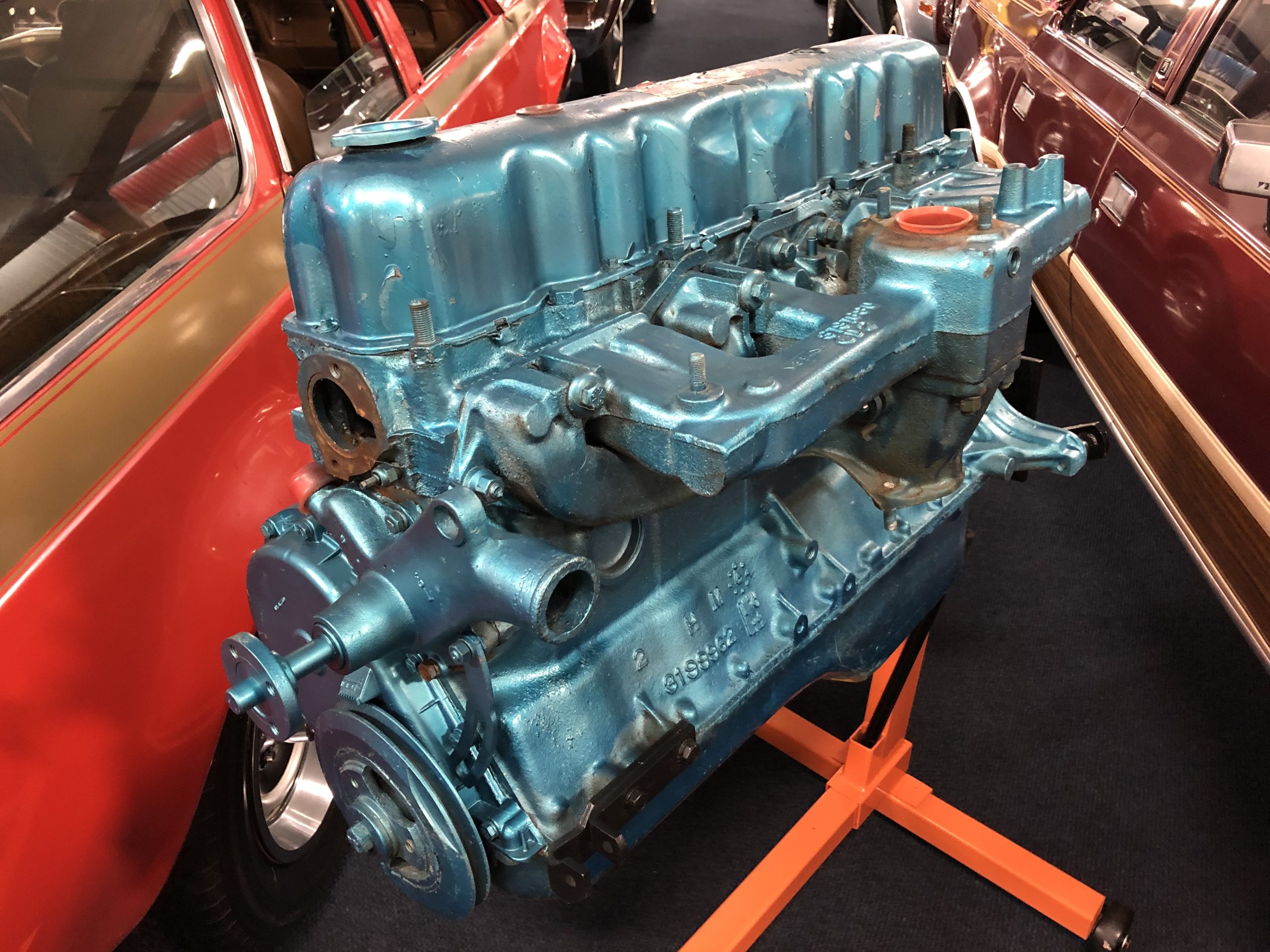
In civil engineering projects, machines must run efficiently to complete work on time and within budget. Many construction tools, such as generators, compactors, loaders, and small excavators, depend on gasoline engines. When these engines work efficiently, fuel costs decrease, machines last longer, and the environment is protected. Improving gasoline engine performance is not only about saving money but also about reducing pollution and supporting sustainable construction practices.
Construction equipment often operates under harsh conditions. Machines may run for long hours, handle heavy loads, and work on uneven or dusty terrain, which is why following a Construction Fuel Injection Optimization Guide is essential for maintaining performance. These demanding environments place stress on gasoline engines and can cause higher fuel consumption, overheating, and faster wear of engine parts.
Strategies that improve engine efficiency and reliability
Modern Engine Design and Smart Controls
Engine manufacturers now use advanced technology to improve performance and fuel economy. Features such as direct fuel injection and turbocharging help engines burn fuel more efficiently. These systems ensure that the right amount of fuel and air is mixed during combustion, which improves power while reducing fuel waste.
Electronic engine control systems also play a major role. These systems adjust ignition timing, fuel flow, and air intake based on the engine’s workload. This allows machines to perform efficiently under changing conditions. As a result, engines use less fuel, create fewer emissions, and operate more smoothly.
Alternative Fuels and Hybrid Solutions
To reduce environmental impact, many construction companies are testing cleaner fuel options. Biofuels like ethanol and biodiesel burn more cleanly than traditional gasoline and help lower greenhouse gas emissions.
Hybrid systems are also becoming popular. These machines combine gasoline engines with electric motors. They save fuel by switching off during idle time and recovering energy during braking. Hybrid equipment is especially useful on job sites where machines stop and start frequently.
Maintenance and Proper Tuning
Routine maintenance is essential for engine efficiency. Regular oil changes, clean air filters, and cooling system checks prevent overheating and reduce engine damage. Tuning spark timing and fuel injection also helps engines perform better under specific working conditions. Well-maintained machines consume less fuel and last longer.
Operator Training and Smart Usage
The way a machine is used has a big impact on fuel consumption. Trained operators know how to reduce idle time, avoid sudden acceleration, and maintain steady engine speeds. These habits can reduce fuel use and improve job site productivity.
Telematics and Data Monitoring
Modern telematics systems track engine performance, fuel usage, and operating conditions in real time. This data helps managers plan maintenance, identify issues early, and reduce downtime. Predictive maintenance also prevents breakdowns and lowers repair costs.
Environmental Benefits
Stricter regulations require cleaner engines. Advanced emission control systems help reduce harmful gases and particles. These systems ensure compliance with laws and protect the environment.
Conclusion
By using modern technology, alternative fuels, proper maintenance, trained operators, and data tools, civil engineering projects can greatly improve gasoline engine efficiency. These steps reduce costs, increase productivity, and support a cleaner, more sustainable construction industry.
